Overview
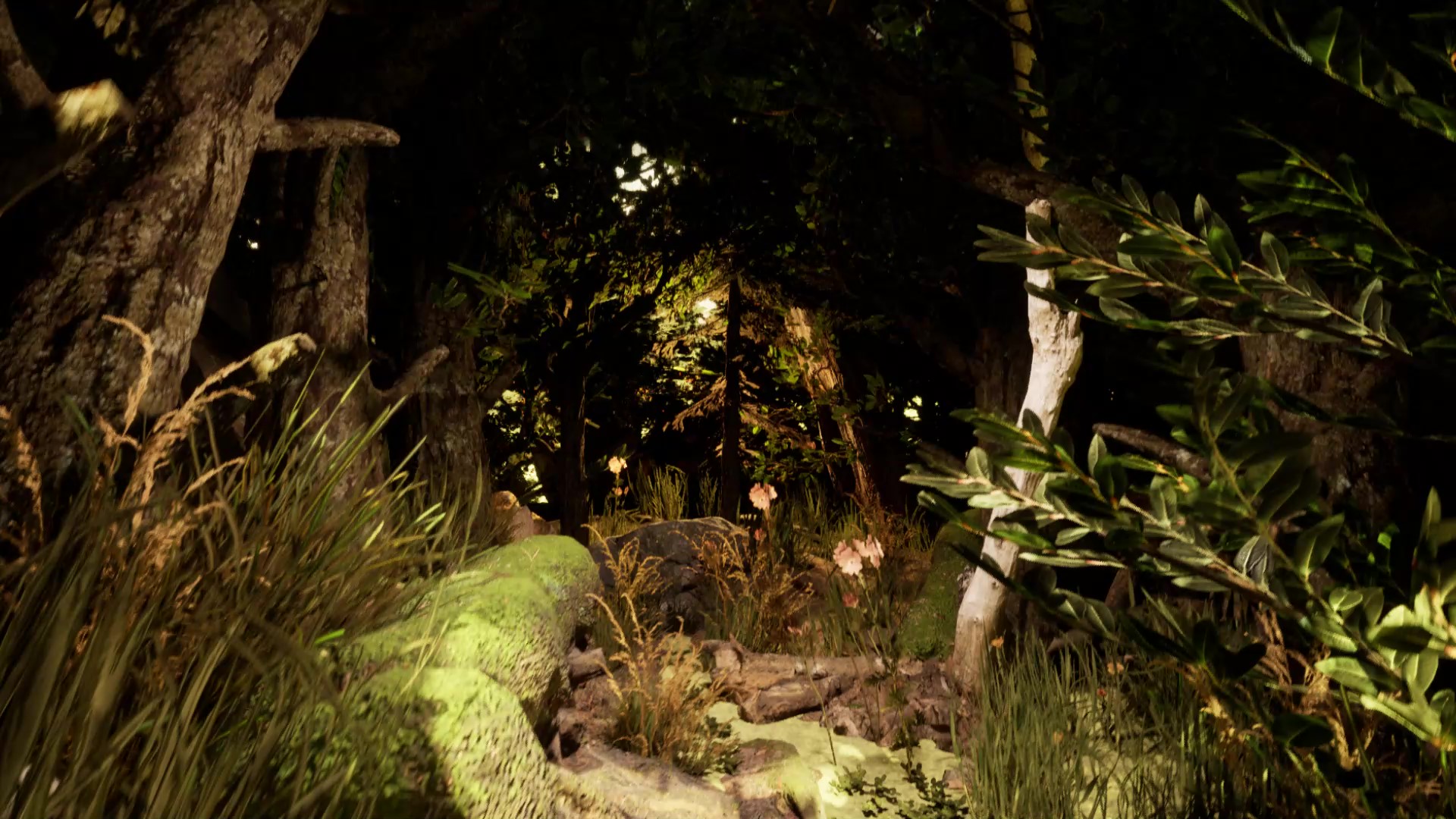
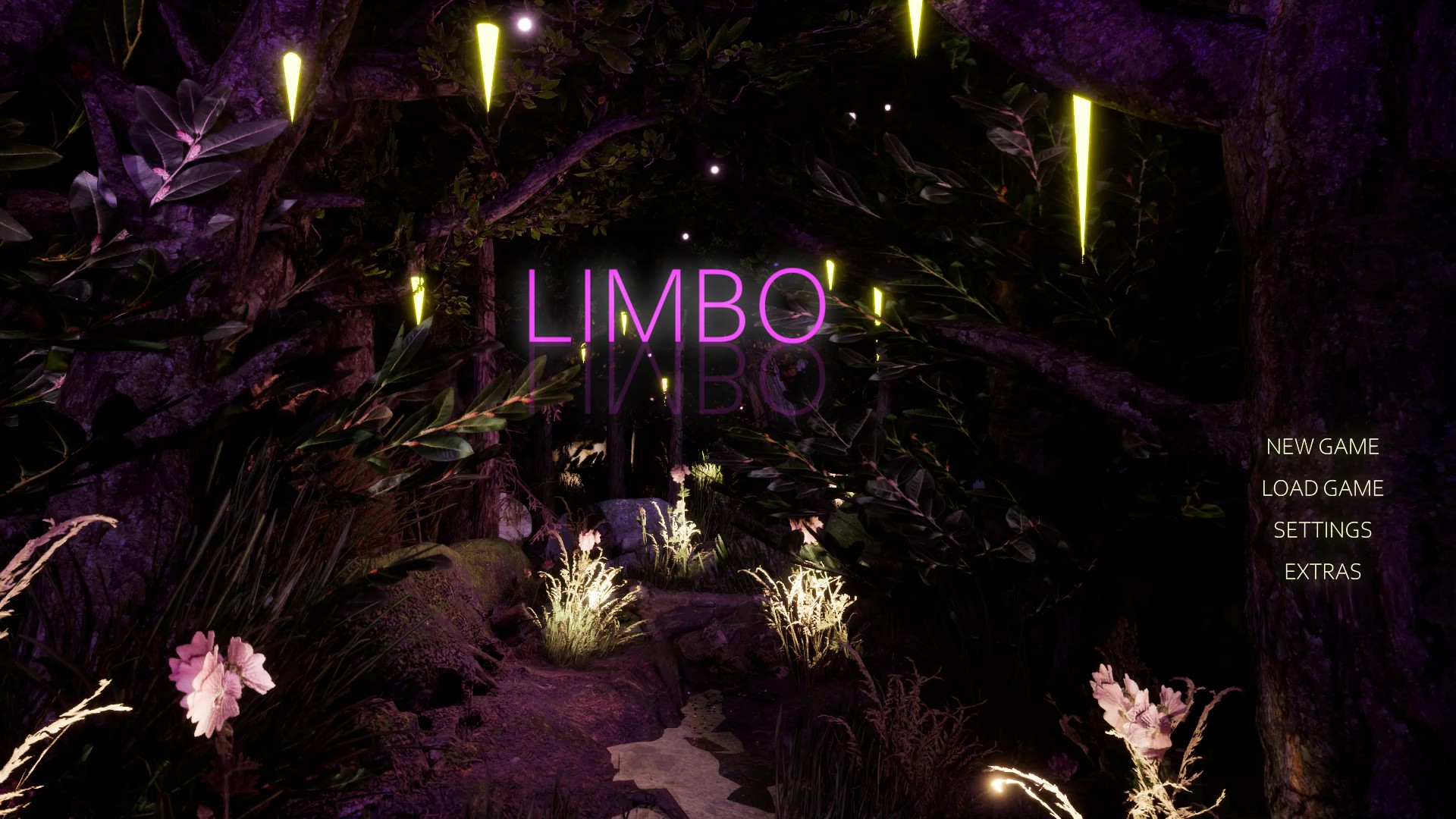
Limbo can be described as the state of being caught between two stages where it is unclear what will happen next. My goal for this project was to learn Unreal Engine’s structure and file organizations while building a title screen that reflects the essence of being in Limbo — transitioning between two worlds.
Programs Used:
- Unreal Engine 5
- Adobe After Effects
- Clip Studio Paint Pro (conceptualizing and visualizing)
Project Timeline: 15 weeks
Background
My inspiration was drawn from the captivating title screens of iconic games such as The Last of Us and the Uncharted series. These games, in my view, masterfully encapsulated the essence of their narratives, leaving a lasting impression on players who could easily identify the source of the imagery. While Unreal Engine carried remarkable capabilities for crafting dynamic backgrounds, a single static screen fell short in conveying the profound meaning of Limbo. Instead, my vision was to commence with a transitional sequence, culminating in a screen capable of looping endlessly.
The influence of Vanderpump in Las Vegas played a pivotal role in shaping my design choices. In every project, I seek to glean insights from those with vast experience in design, and a visit to this exquisitely designed restaurant affirmed my decision to incorporate their design principles into my work.
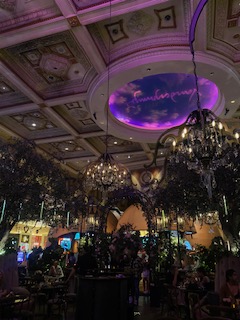
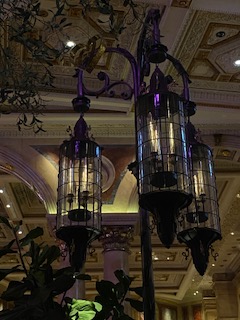
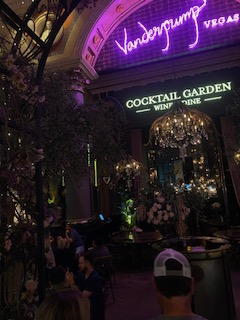
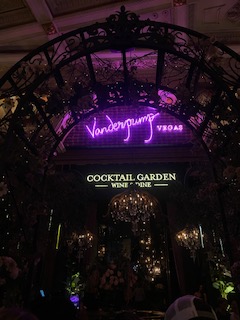
Images from Las Vegas Vanderpump restaurant
Another deeply influential part of this project involved taking inspiration from two game titles I grew up loving, Uncharted and Last of Us.
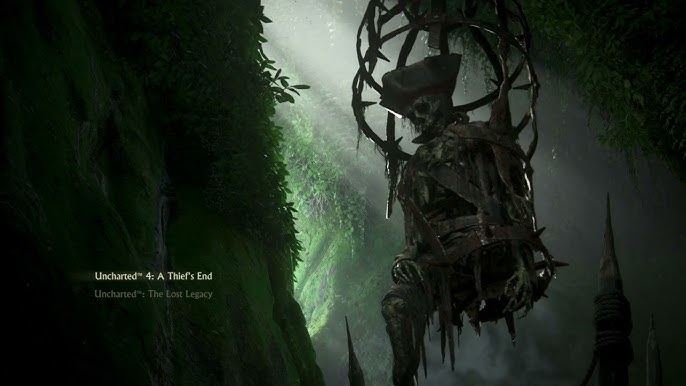
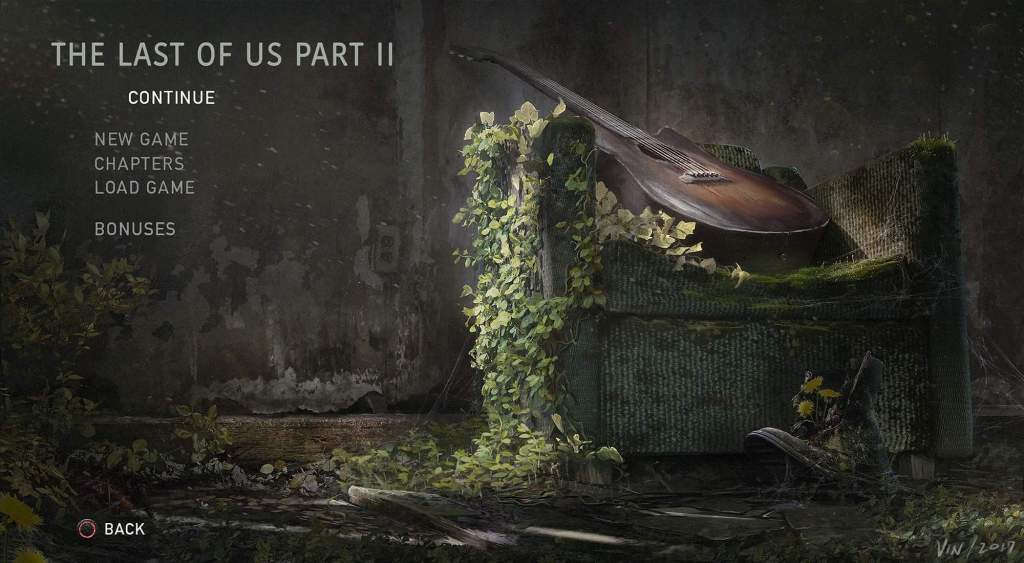
Many people recognize these games even without the title and text involved, and I believe that is because of the simplicity and elegance with each one. Although stagnant, the two screens have an endless ambiance loop paired with similar background sounds to help transport the player into their universe.
Journey
Originally, this project was set out to be a complete walkthrough of a final boss map. The themes of Limbo were still present as far as colors and design went, but the project goal was always to convey a story through the limitations of imagery.
Moodboard and Ideation


Above is a sword I designed quickly inside of Procreate. This weapon wasn’t used in the final project, but it was apart of my beginning design processes. Creating possible elements within the world helped me to dive deeper into the story to create more meaning and intentionality with my design decisions.
Unreal Engine Prototyping
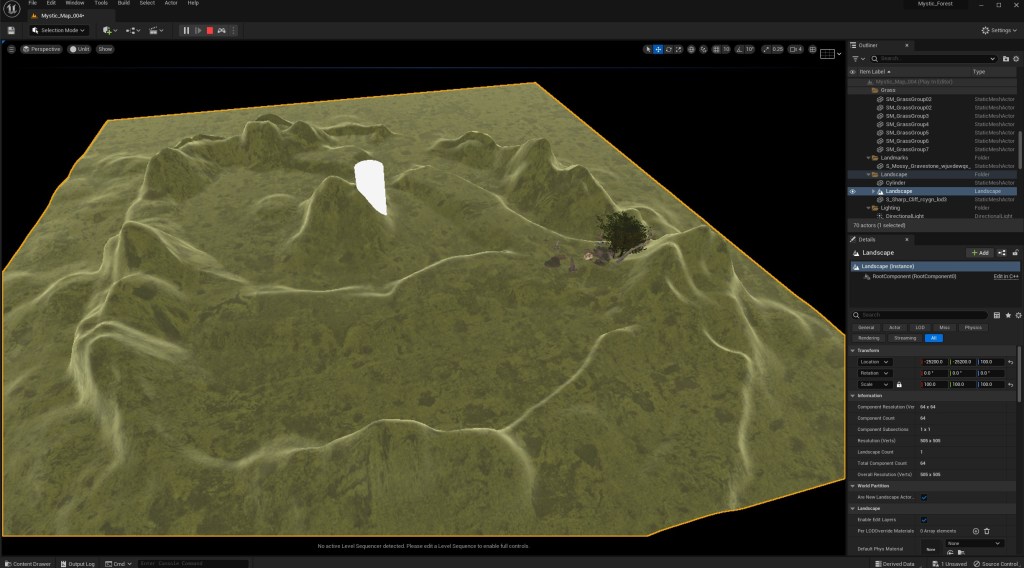

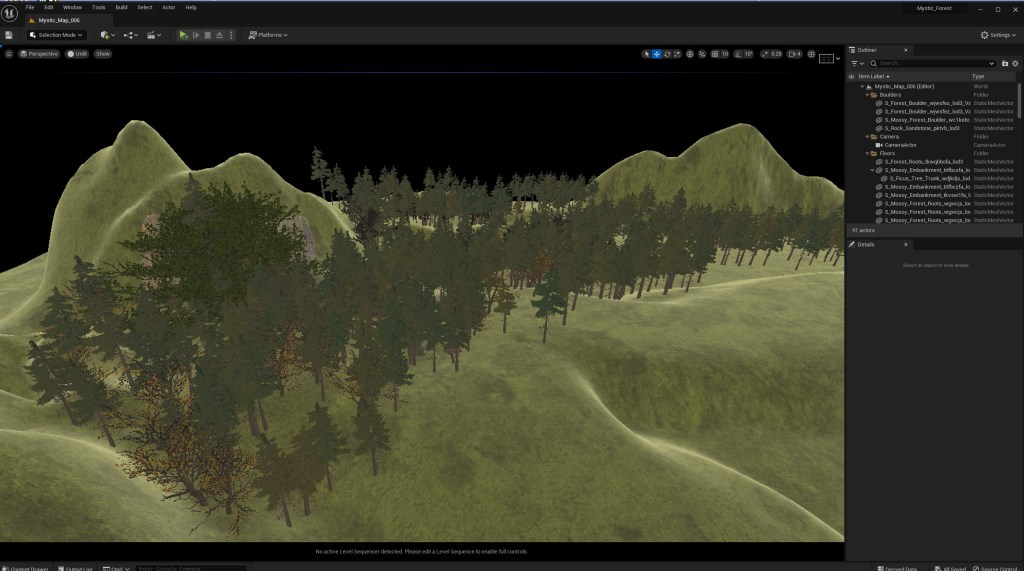
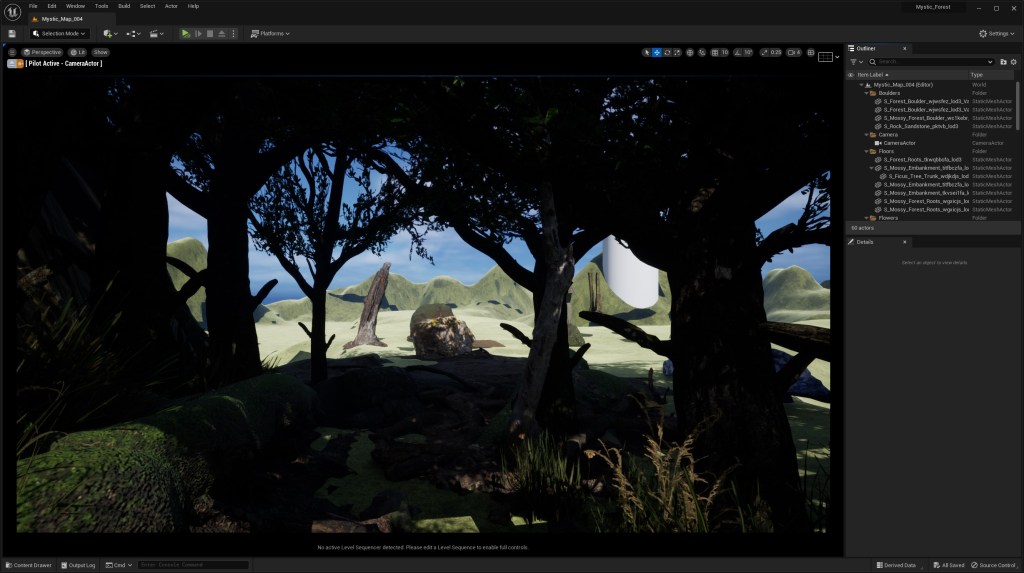
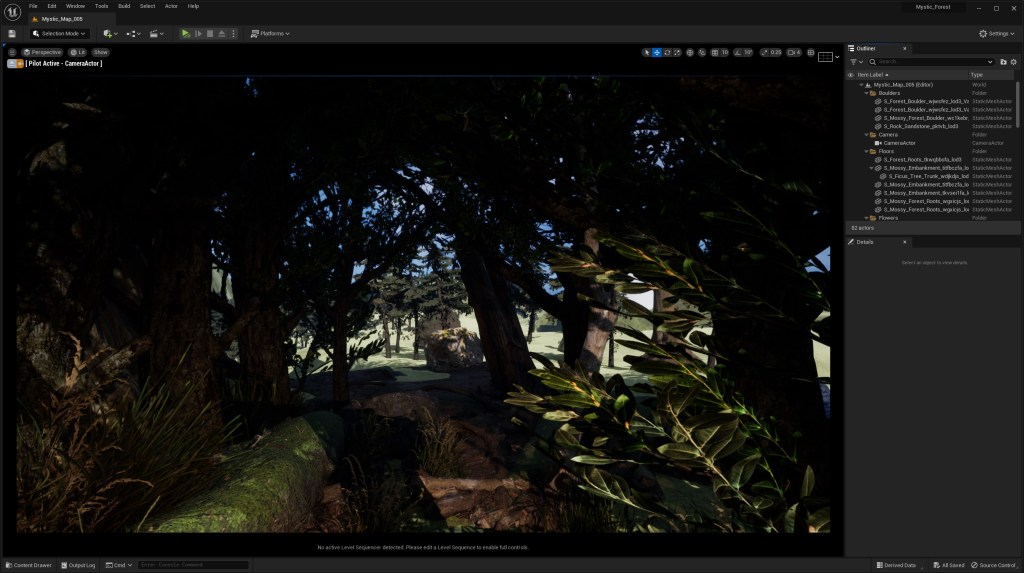
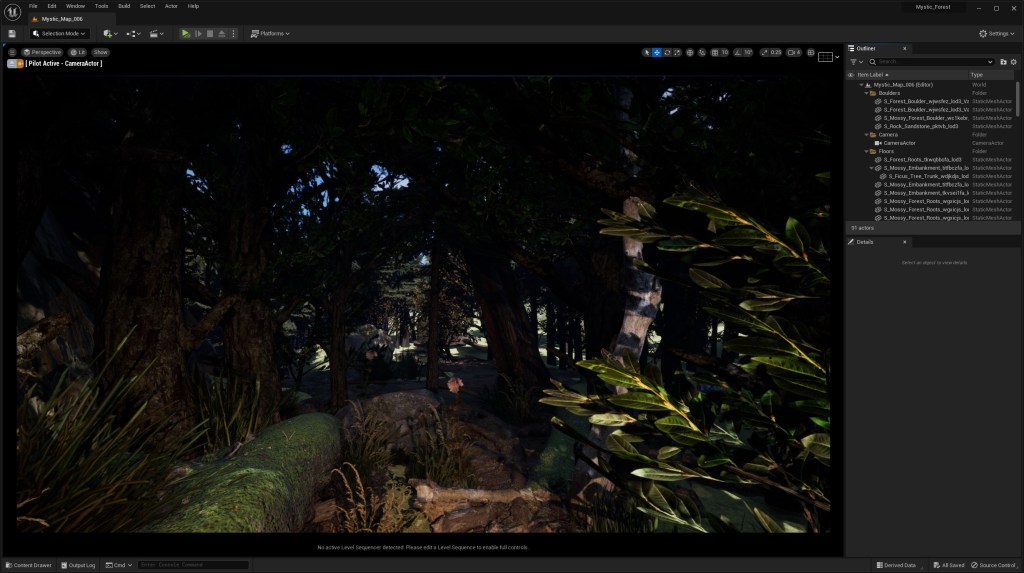
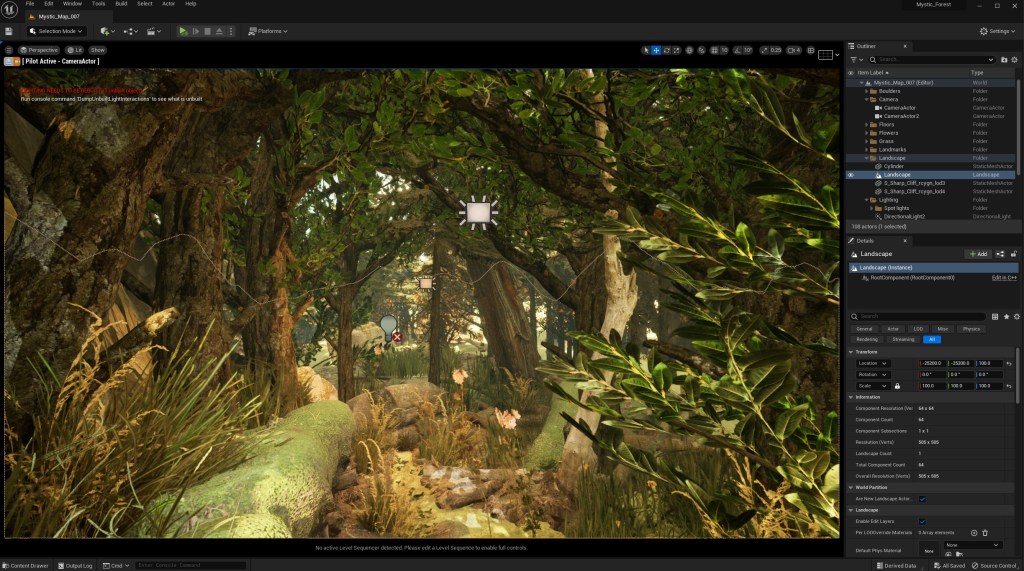
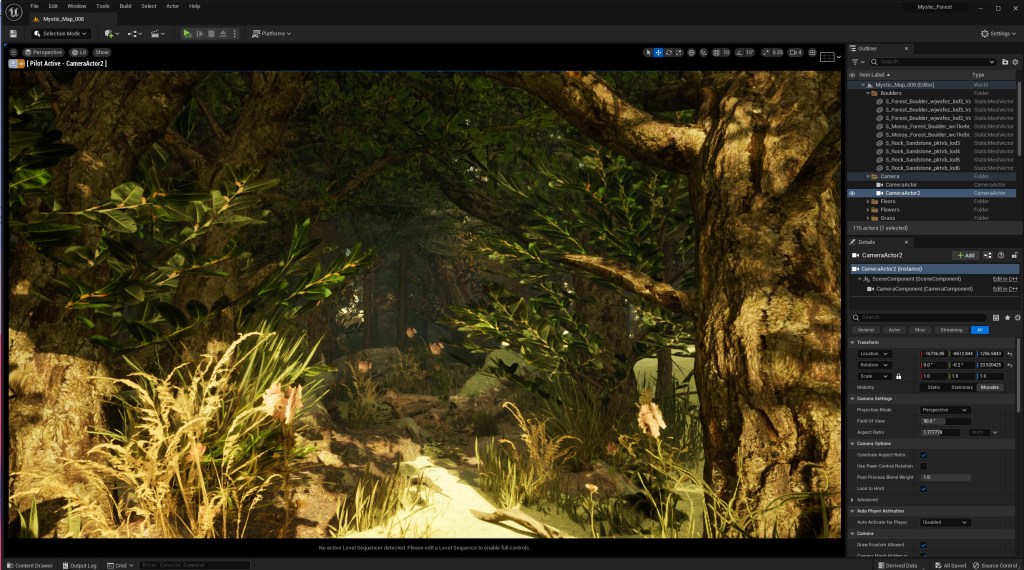
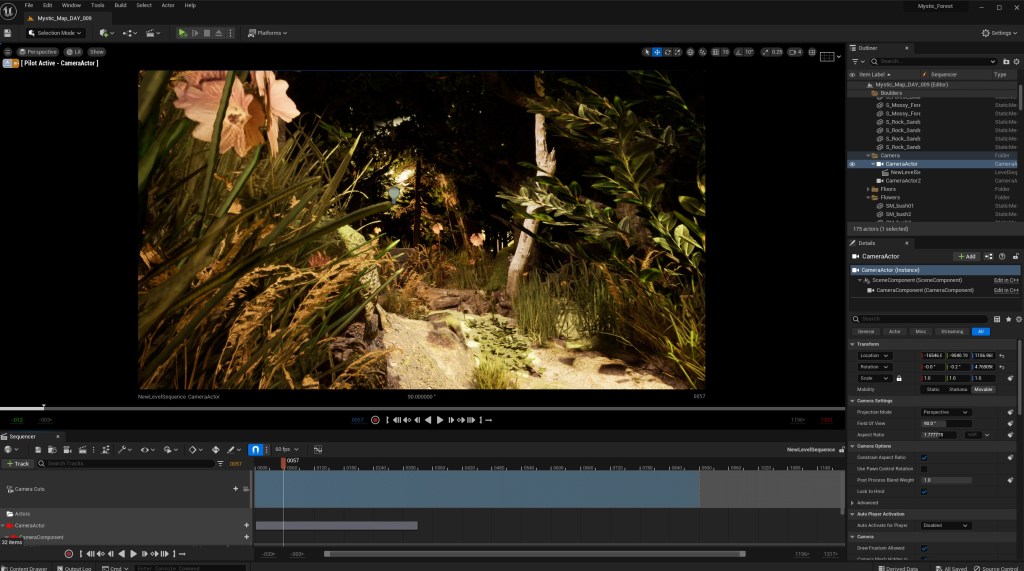
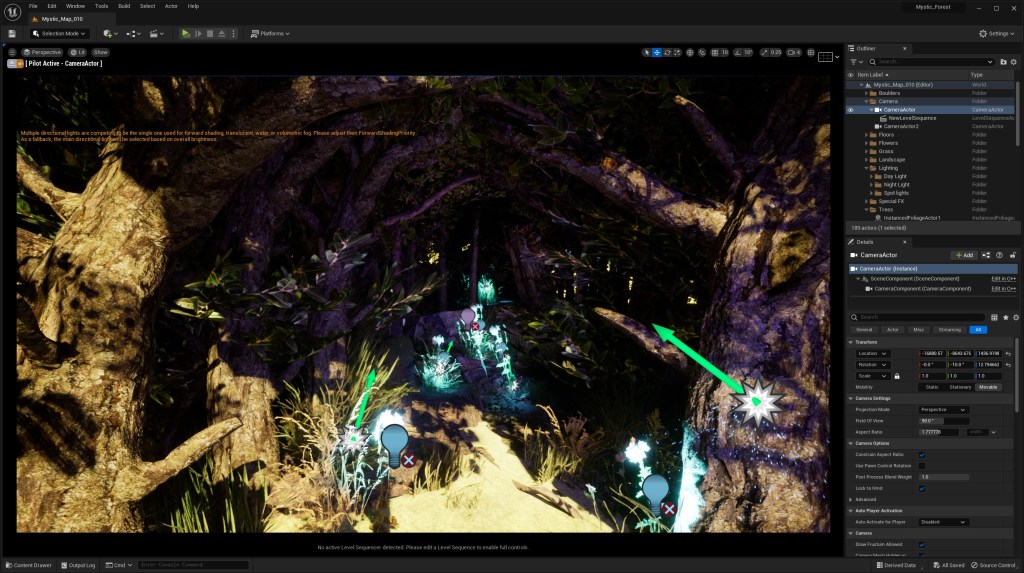

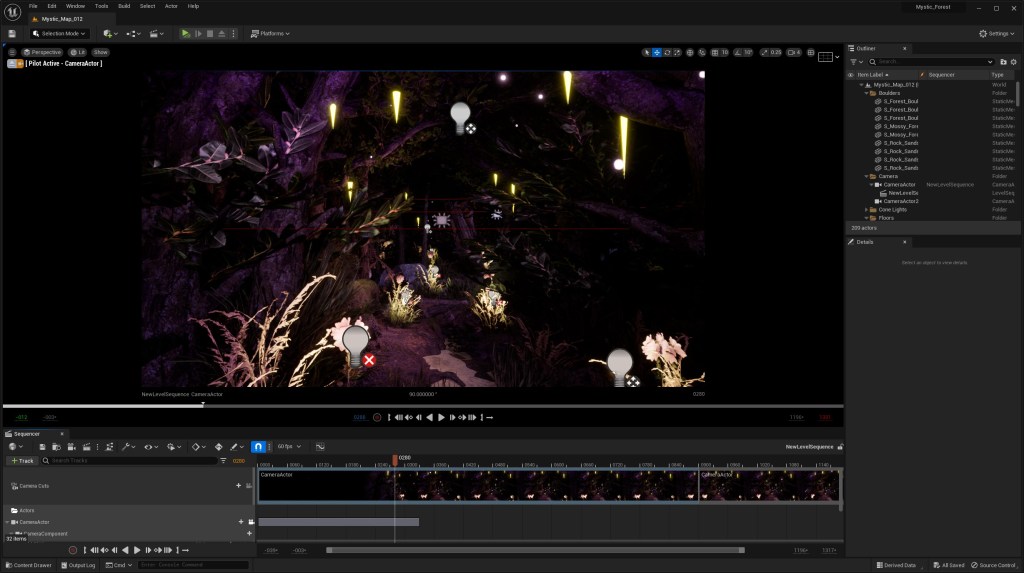
This portion of the project consumed the most time, but I like to start big before condensing ideas. I began with an entire level in Unreal Engine, wanting to give the project potential to be a fully rendered game. As my vision began to come together, the area in which needed to be focused on reduced.
Renditions
Rendition 1

In Unreal engine, it took time to find a layout I felt would feel “full”. I began by adding assets from the Epic Games store and laying them out in a way I found appealing. The first camera places was made to peer inside through the woods.
Rendition 2

Rendition 3

The background and foliage helped to fill more negative space and create a lush appeal similar to how it would feel if the player were to walk through a forested path.
Rendition 4

Adding light elements was the next step to capture a evening and “warm” appearance to the forrest. I used angled spot lights to illuminate some areas that would have otherwise went unnoticed.
Eventually, I ended up with the first stage of the title screen animation, which I refer to as the “day” portion. This stage is meant to reflect our known reality.
The next step was to create the “night” transition of the scene.
Rendition 5

This image is the origial night portion without the extra effects and lighting. It shows how the original scene was flipped and mirrored to create that “other world” illusion. This is often how Limbo is portrayed in stories, a reality that reflects what we know with odd elements.
Design Changes
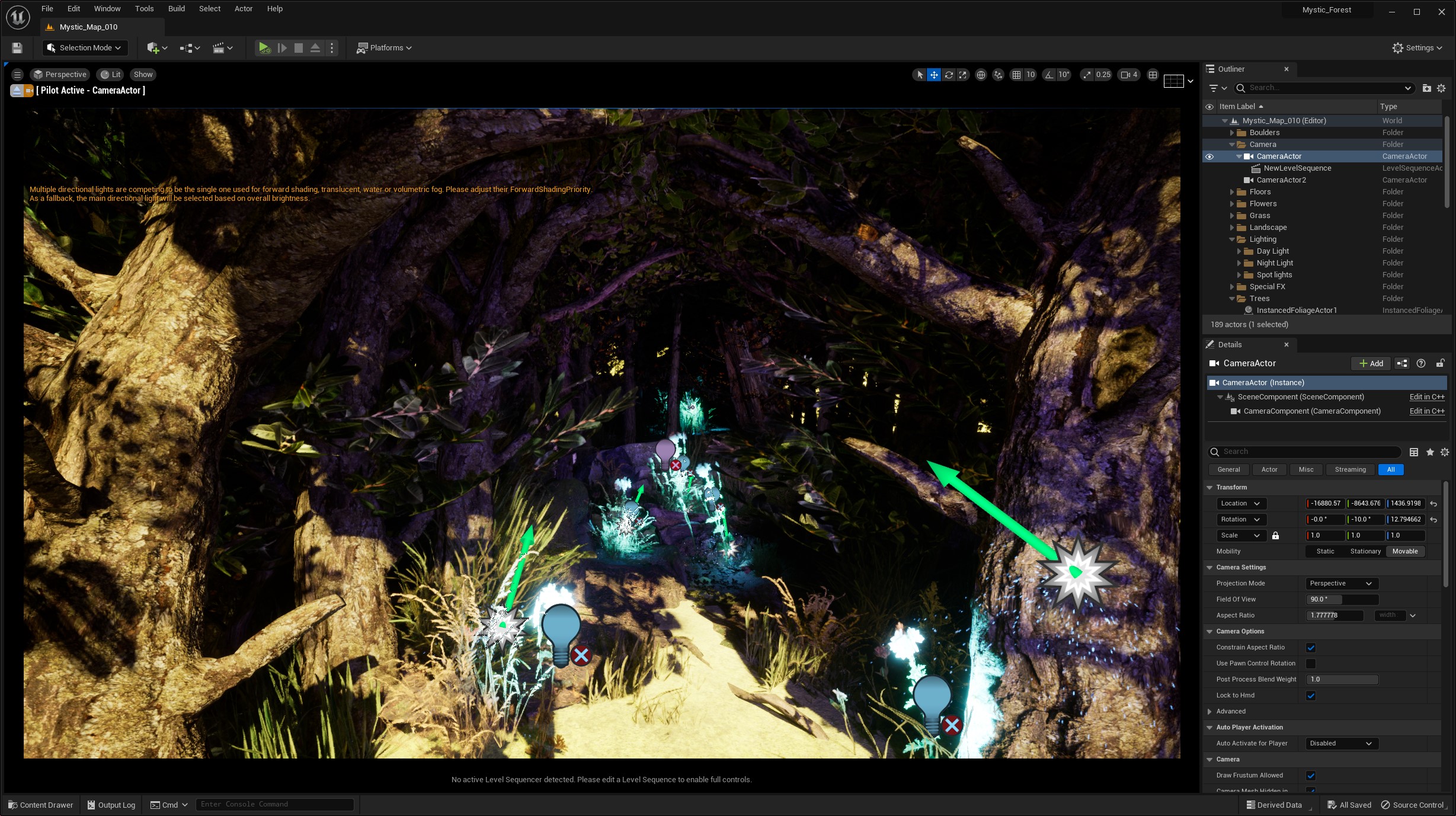
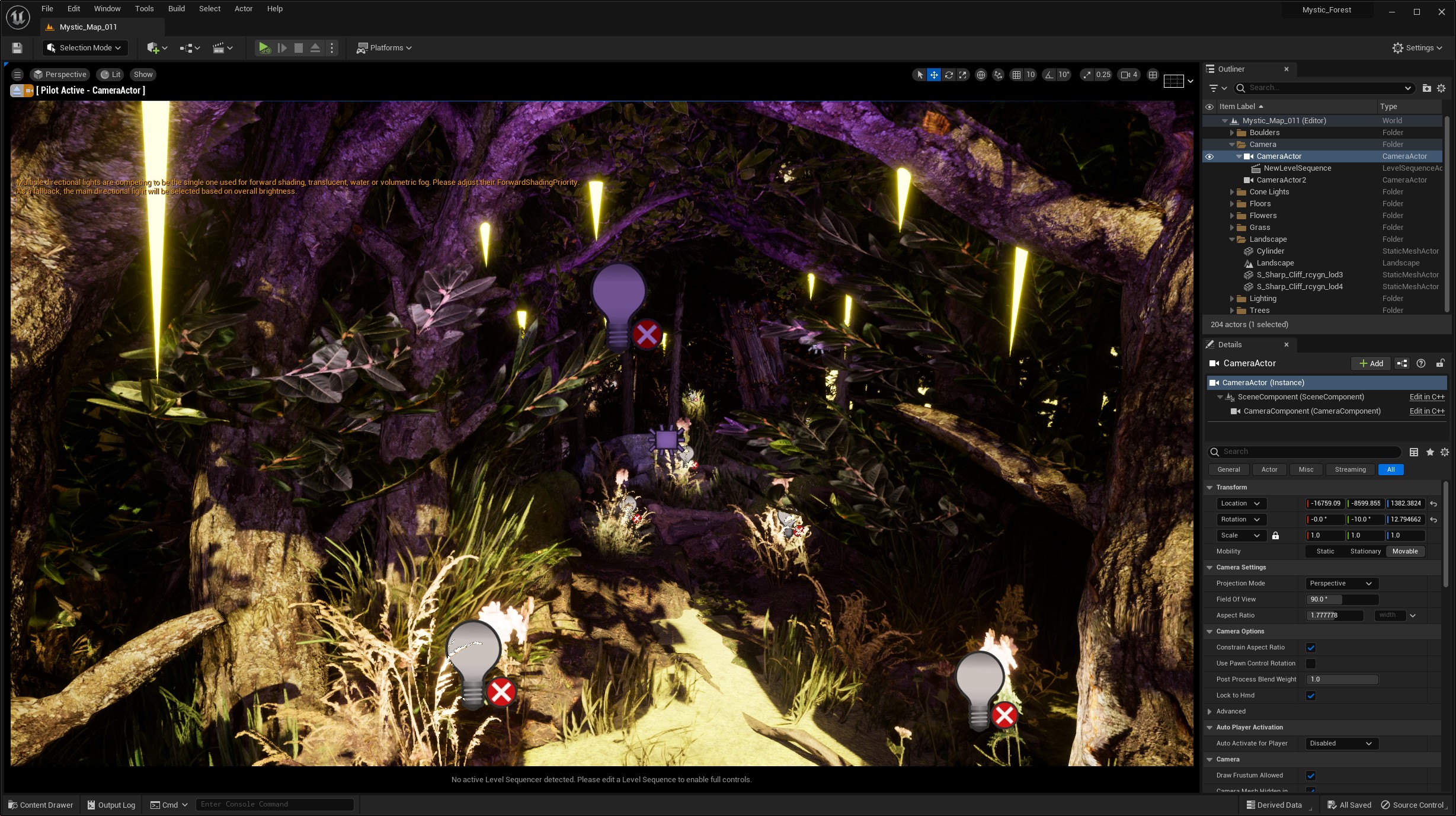
Originally, I wanted to incorporate blues into the scene because the color is visually more appealing to me. However, through the process I found that cool tones of blues offset the warm tones from the start. This created an unbalanced harmony with the scene, so with color and lighting adjustments, I found exactly what I was envisioning.
Rendition 6

Testing out the lighting, I created a night sky to ensure that the elements I wanted illuminated fit into the scene correctly. The hanging crystals are meant to act as glowing chimes that pay homage to the original Vanderpump restaurant.
Camera Adjustments

To ensure a smooth transition, I used one camera to pan up from the day scene and slide to the night scene. This meant I used two different renders, one all with a day sky and the other with a night sky.
After Effects Polishing
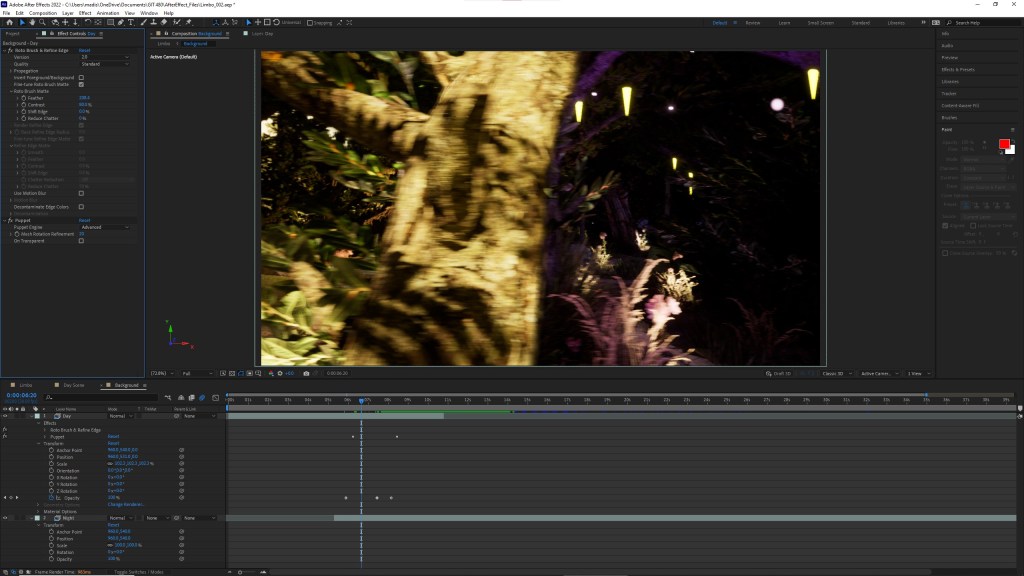
After rendering two seperate cameras for both the day and night portions of the scene, I incorporated them into after effects. To blend the two scenes, I used a mask to blend both scenes together to form a transition between the two worlds.
Sound Elements
The music choice was a layering of three different sounds.
Base:
Top:
Accent:
I used aspects of each sound to create a mystical effect to the scene and a mysterious ambiance.
Typography and Text
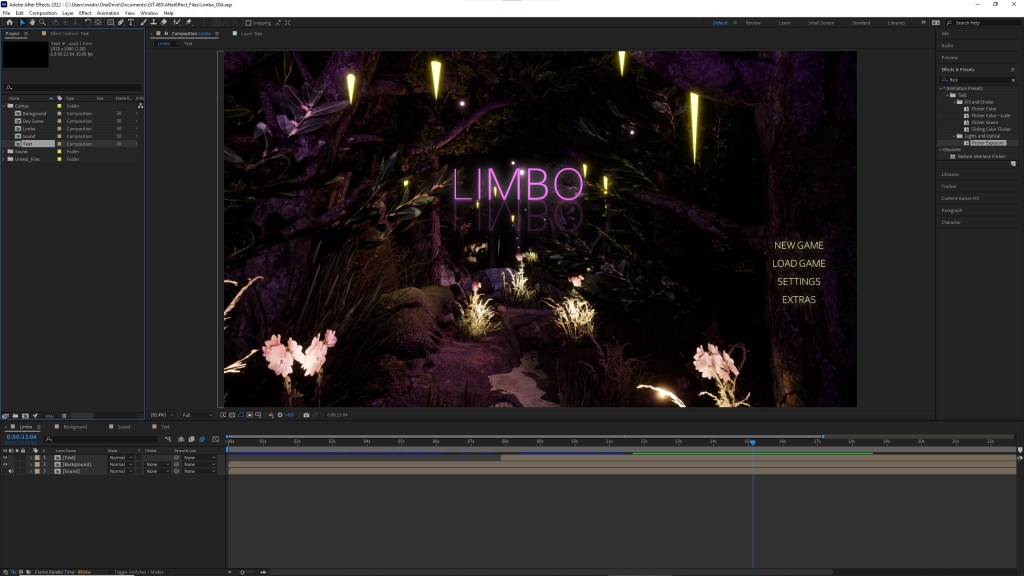
Finally, the text choice was designed to be sleek and simple, with a neon glow to look as though the text blends with the environment. I wanted to incorporate the flickering to create a dynamic loop while the slight reflection of the title is meant as an homage to the meaning of Limbo.
Conclusion
Each stage brought new discoveries and ideas. My changes and alterations through the project were actively adjusted based on prototyping inside of Unreal Engine. About five different maps were created to try and find an appealing layout, however in the end I realized I could build up from something simple rather than starting huge. I began to slowly inncoorporate more assets as I scrolled through the Epic Games store, and found elements that would look as though they “belonged” to each other. The most difficult process was building the forest, but also turned to be the most fun and engaging. Once I moved to After Effects to include the game screen, I looked for a clean yet expressive way to display the layout. In the end, I am extremely satisfied with the result and plan to build upon it in the future.
- Did you run into any obstacles as you progressed? If so, how did you overcome them?
- Unreal Engine was new territory for me, but I wanted to experience it first hand. I began by watching tutorials before testing and experimenting with the elements. I found that changing the sky was more complex than I originally thought it would be, but I was able to simulate “night” even through the use of lighting. I overcame the obstacle by constantly playing around with different settings until I found something I liked.
- Did you development process work well for this project? In what ways? If it did not work well, is there a better alternative?
- The development process went extremely well from the time I began to work inside of Unreal Engine, however the brainstorming portion was where I struggled. I began big, which is fine, however it took more time for me to condense the idea into a reasonable, yet impressive final project. Originally, I wanted to design the entire map. However I found that building it from the ground up would take significantly longer than I originally predicted. My feedback from classmates and professors allowed me to condense the idea while still having enough time to create what I originally aimed to do – which is a space that enacted a specific emotion to an audience. The emotion I wanted to achieve is allurance as well as enchantment. In the future, a better alternative to making sure the brainstorming process goes smoother is creating a large idea as well as a smaller one to allow for a quick and easy plan B.
Key Takeaway
I learned that I improve and move along the most in a project once I start experimenting with it. I originally had an idea of the layout and how I wanted it to look, but once I started to lay down the assets, I changed it based on how it looked throught the camera inside of Unreal. I have learned I need to be hands on in order to truly understand which direction I want to take the project.
 Portfolio